
Almost every fashion brand wants content that people actually trust, save, and buy from.
That’s why user-generated content works so well.
UGC is like word-of-mouth, but it lives on TikTok, Instagram, product pages, ads, and emails. And for fashion brands, it’s one of the few content engines that doesn’t rely on models, studios, or perfectly-lit photoshoots.
This guide breaks down standout UGC examples from fashion brands doing it right — and how they turn everyday customer content into high-performing marketing assets that can work across their entire funnel.
Let’s get into it.
What is UGC for fashion brands?
User-generated content (UGC) is any content created by real customers that features your products.
For fashion brands, that can be mirror selfies, try-on videos, outfit-of-the-day clips, unboxings and ‘here’s how it fits on me’ content. It’s often shared organically on platforms like TikTok, Instagram and YouTube.
UGC matters in fashion because it shows how a piece moves, how it fits across different body types and how people actually style it day-to-day.
What’s the difference between UGC and influencer content in fashion?
The biggest difference between UGC and influencer content is intent and incentive.
Influencer content is typically paid for and created as part of a brand partnership. User-generated content, on the other hand, is organic and shared freely by customers because they genuinely like the product, not because they were asked to promote it.
👉Take a read of our influencer marketing strategy guide.
Looking for some UGC inspo? Here are 7 examples of fashion brands using user-generated content successfully.
7 UGC examples from fashion brands
1. Merry People uses a dedicated UGC reviews page to build trust
Footwear brand Merry People has a dedicated UGC page that showcases thousands of 5-star reviews from happy customers.
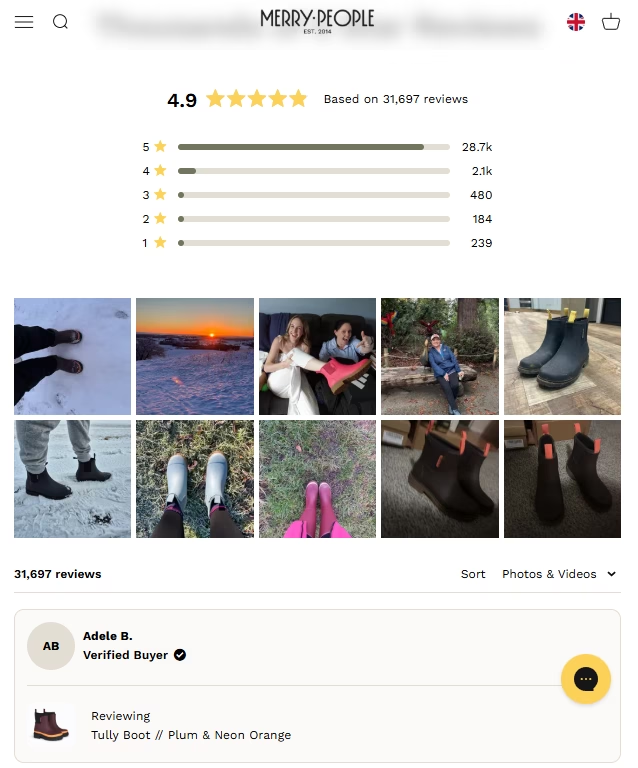
The page brings together written reviews and customer-submitted photos, letting shoppers see how the boots look and perform in real life.
Instead of burying this content deep in product pages, Merry People gives UGC its own space, making social proof easy to browse. Plus, each review is linked back to the product in question, making it a seamless user experience.
For fashion brands, it’s a reminder that UGC doesn’t have to live only on social. A well-designed review hub can double as a trust-building asset for shoppers who are still on the fence.
2. RIXO features real people on their product pages
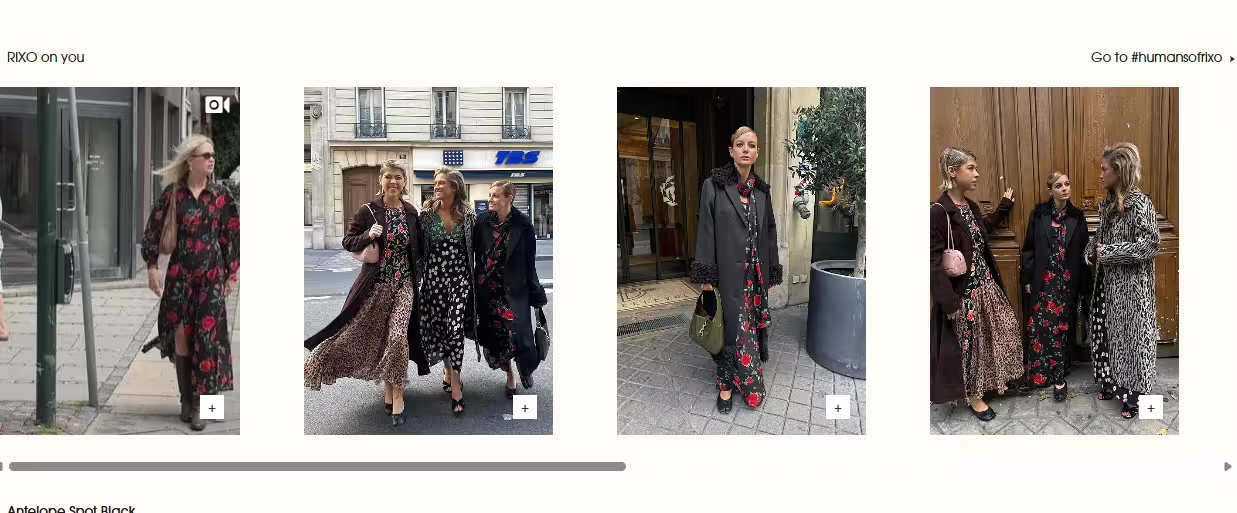
Fashion brand, RIXO, knows how important it is to showcase real people wearing their clothes. That’s why they feature customers wearing products directly on their product page. You only need to scroll a little from the main product information section, to find a ‘RIXO on you’ carousel.
3. Passenger uses written customer reviews on product pages
Outdoor clothing brand, Passenger, includes written reviews with images on their product pages, too. But they also have a ‘questions’ tab, where customers can ask questions about the specific products. For example: “What size should I order for my brother? He’s slim and about 180cm tall.”
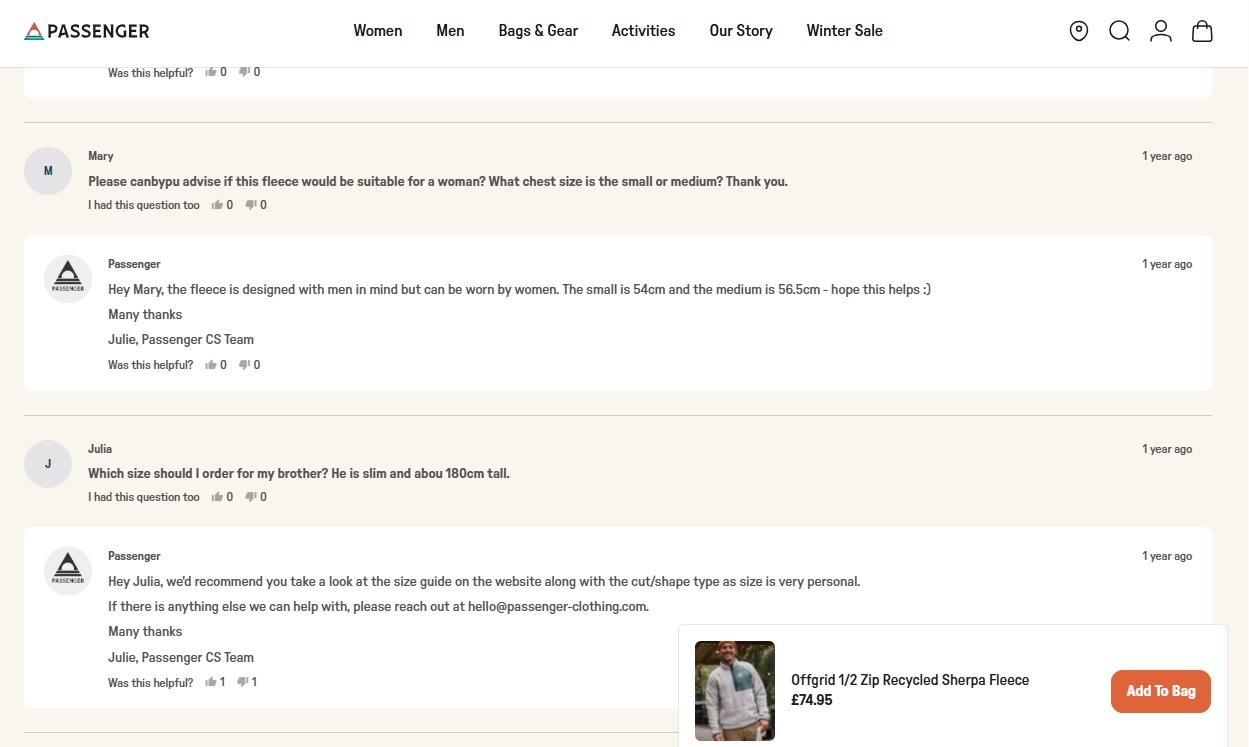
Although these questions are super specific, it’s a great trust signifier and helps other shoppers get a sense of sizing and product design from Passenger’s team.
Passenger are also a Dash customer! You can learn how they use Dash to improve their creative operations.
4. Nubikk reframes creator UGC with an “As seen on” page
Apparel brand, Nubikk, uses a dedicated ‘As seen on’ page to showcase user-generated content in a way that feels editorial, not promotional.
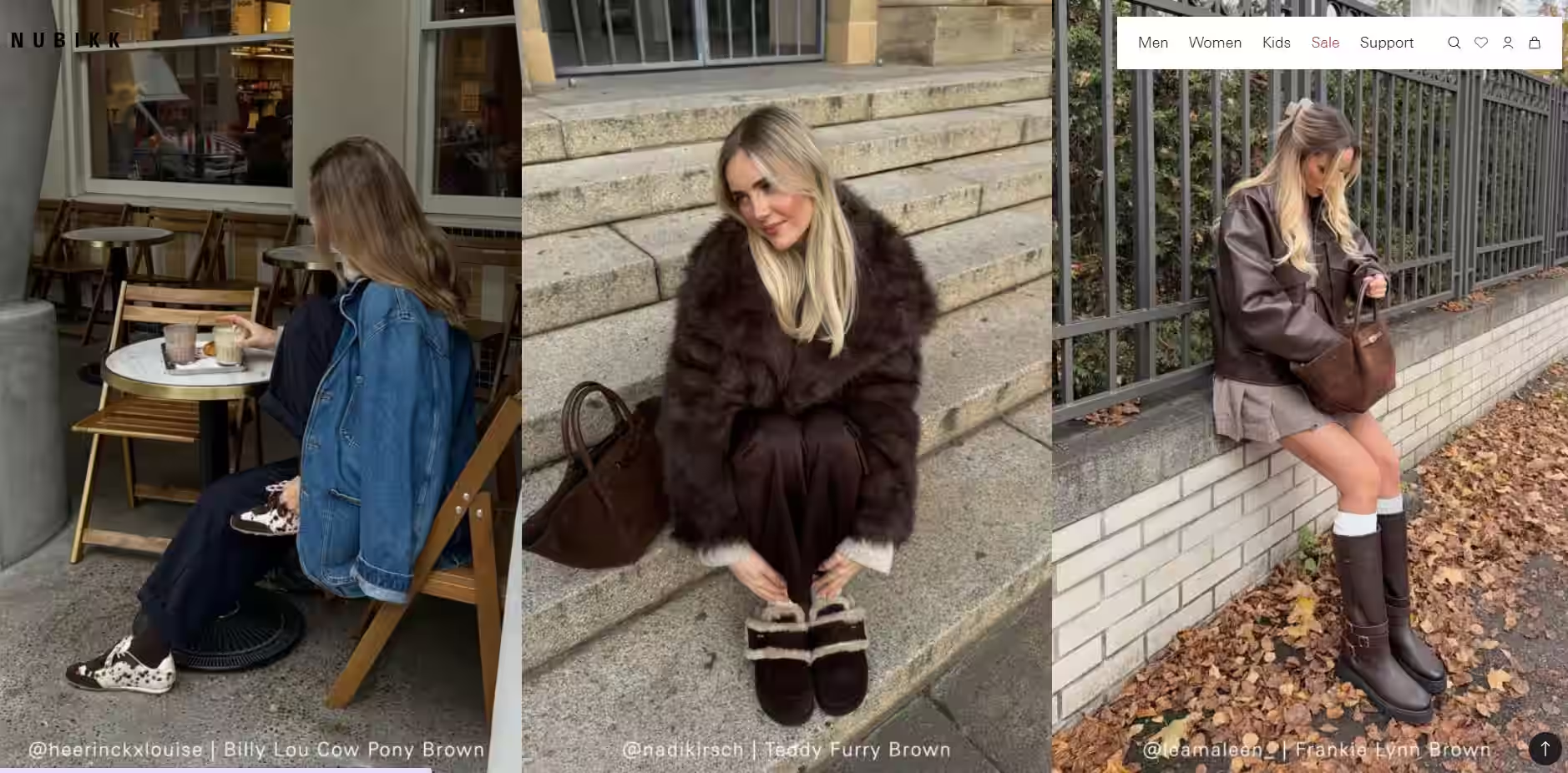
The page looks and sounds like a traditional PR or magazine feature, but the content itself is simple: images of content creators wearing Nubikk shoes in real-life settings.
By framing creator UGC as press coverage, Nubikk elevates everyday social content and makes it feel more premium and intentional. It uses the credibility of fashion media while still benefiting from the authenticity of real people wearing the product.
5. Lazy Oaf’s creators create fun wardrobe reveals on TikTok
If you’re interested in nice clothes and hang out on social media, no doubt you’ve seen creators doing ‘wardrobe reveals.’ They’re like unboxing videos or shopping hauls, and you get to see what people have picked up at the shops. Lazy Oaf often pops up in these posts, which gives the brand a steady stream of authentic, fan-made content they can comment on, reshare, and use to engage their community.
6. Aerie dedicate their social to real content only
Aerie is a women's underwear brand who champion all body types. Their ethos is that fashion labels should be encouraging body positivity, not hiding behind filters and retouched photos; all of which set unrealistic expectations on women’s bodies. That’s why their Instagram page is dedicated to real people only.
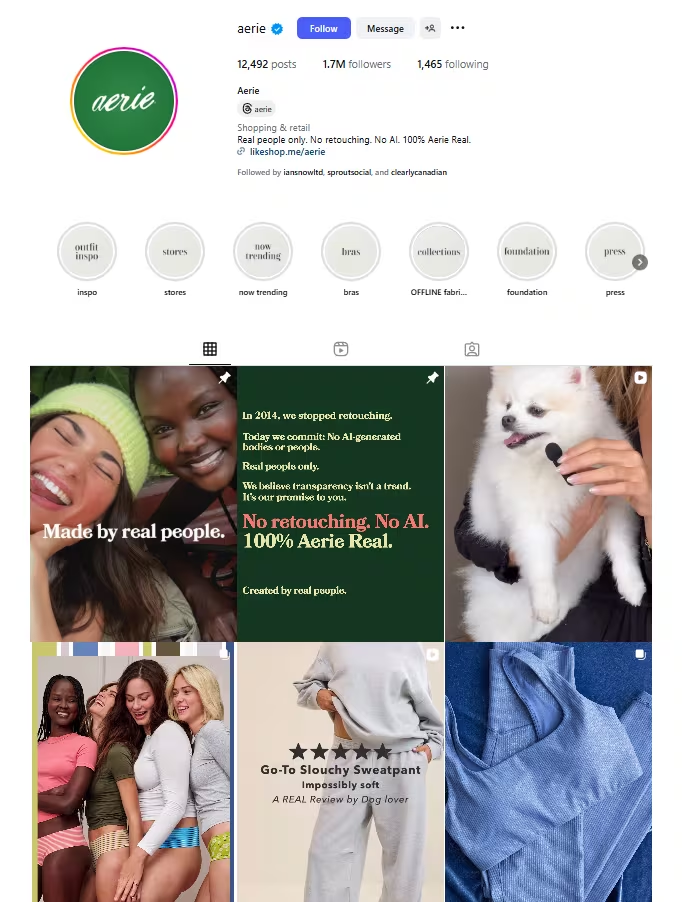
They even have a foundation which aims to empower women to be comfortable in their own skin.
7. PatPat switch up UGC depending on the region your audience is in
PatPat is an apparel brand that creates matching outfits for families. Think matching Christmas pyjamas and seasonal onesies.
Their clothes are targeted at families. And so they lean heavily into ‘momfluencers’ to show potential shoppers what the clothes look like in real families.
Rather than relying on big creators, PatPat works primarily with micro mum influencers (around 4,000–10,000 followers), who consistently deliver higher engagement and trust within tight-knit communities. Around 30% of these creators are long-term partners, too, helping the content feel more authentic over time.
PatPat also localises its UGC by region. The brand adapts visuals based on customer data, climate, and local style preferences — for example, lighter layers for California audiences, or warmer family looks for the East Coast.
How to encourage UGC from your customers
Ideally, you want customers to post about your brand organically. But if you’re not seeing the kind of UGC you need — or you want a specific product to get more attention — there’s nothing wrong with giving people a little nudge. Here are a few simple ways to encourage more UGC:
Create a specific page for creators
Dedicating a page to your creators makes it easy for people to get involved — and makes them feel like VIPs. It also signals that you take UGC seriously. For example, Saint + Sophia has a creator page packed with clear info on how to work with the brand, what creators can expect in return (like gifted products and rewards), and opportunities for select micro-creators to get extra amplification through paid partnerships.
Create a branded hashtag (and share it with every order)
A simple branded hashtag gives customers a clear way to tag you when they post — and makes it easier for you to find, track, and reshare UGC. The key is to make it easy to spot and hard to forget, then put it everywhere your customers will see it.
How to do it:
- Pick a hashtag that’s short, unique, and clearly connected to your brand (e.g. #BrandNameStyle or #WearBrandName).
- Add it to your packaging, thank-you cards, and returns slip so it’s impossible to miss.
- Include it in your order confirmation and post-purchase emails (‘Show us how you’re wearing it 👀’).
Create a weekly ‘customer feature’ series
Make UGC a regular part of your content by spotlighting customers each week (e.g. ‘Customer of the Week’ or ‘Styled by You’). It gives people a reason to tag you, because they want to be featured.
Run a monthly giveaway for anyone who tags you
Offer a prize like store credit or a best-seller bundle, and enter anyone who posts and tags your brand that month. It’s a low-effort way to drive consistent UGC without needing a big campaign.
Make your unboxing experience share-worthy
If your packaging looks and feels special, people are far more likely to film it. Add small touches like bold messaging, stickers, or a photo-friendly insert to create a natural ‘UGC moment.’
Start a small creator club for your best customers
Invite loyal customers into a VIP group where they get early access, freebies, or exclusive perks in exchange for sharing content. Community-based UGC tends to be more consistent and more authentic. Check out Garage Club’s community page for inspo.
The best way to collect UGC from your customers
Now you’ve got some ideas for collecting UGC and using it across your channels. But what are you going to do with all that content once it starts rolling in? You could have the best UGC in the world, but if it gets buried in shared drives, lost in email threads, or stuck in someone’s camera roll, nobody’s going to be able to find it (or use it) when it matters. That’s where Dash comes in.
With Dash, you can collect UGC in one organised place. You can:
- Use guest uploads, so creators and customers can send content straight to your library without needing a login (or emailing you 12 WeTransfer links).
- Tag and organise every asset by product, campaign, creator, or channel, so your team can instantly find the right content when they need it.
Once your UGC is stored and sorted, Dash makes it easy to deploy it fast — whether that’s sharing assets with your team, publishing content to social media, or pushing the right images and videos to Shopify for product pages and launch campaigns.
And because UGC comes with usage rights, Dash also lets you set expiry dates on assets, so you always know what you can use (and until when) — helping you honour your creators and avoid awkward rights issues down the line.
You can keep Dash a try for free for 14-days, no credit card required.

Amy Burchill is the SEO and Content Manager for Dash. She works with ecommerce experts to create articles for DTC brands wanting to improve their campaigns.