Guests are already taking great photos of your hotel. They’re snapping the view from their room, the cocktails at your bar and the breakfast spread. They’re then posting them on social media, sending them to friends and saving them to Pinterest boards for their next trip.
That’s a gold mine for your marketing team. Real guests showing off your hotel group builds trust, and works like word of mouth, one of the most powerful forms of marketing there is. It also gives you a steady stream of fresh content between professional shoots.
But collecting user generated content (UGC) isn’t always easy. Most of it stays on guests’ phones or gets lost in your DMs. What you do get arrives through email, WhatsApp and WeTransfer, and ends up scattered across folders. If you run more than one property, it’s spread even further.
In this article, we’ll cover how to get more guests sharing, how to get permission, and how to keep it all organised so your team can actually use it.
What is UGC for travel brands?
User-generated content (UGC) is any content about your hotel that’s created by your guests, not by you. That usually means the photos and videos guests take during their stay, plus the posts, stories, reels and reviews they share afterwards.
You’ll sometimes hear content from paid creators and influencers called UGC too. That’s useful content as well, but it’s a slightly different thing: it’s planned, briefed and paid for. In this article, we’re mainly talking about content from real guests, which is often the most trusted of all, because it comes from people with nothing to gain from recommending you.
Where does hotel UGC come from?
Some UGC is easy to find, because guests post it publicly and tag you. But a lot of the best content never gets posted at all. It sits in guests’ camera rolls, private chats and close friends stories, where you can’t see it. To get that, you need to ask.
Content you can find:
- Social posts and tags: posts where guests tag your hotel, use your hashtag or add your location. These are the easiest to spot, but you still need permission to use them.
- Reviews: guests often add photos to reviews on sites like Google and TripAdvisor. They show what your rooms, restaurant and spaces are really like, from a guest’s point of view.
Content you need to ask for:
- Guests’ camera rolls: most guests take far more photos and videos than they ever post. Some of the best content you’ll get comes from simply asking guests to send you their favourites after they check out.
- Wedding and event guests: weddings, parties and events create a lot of content in one go, from guests and from the couple’s own photographer. It’s some of the best material you’ll get for your events and weddings marketing, but you’ll need permission from the couple, and usually the photographer too.
- Creators and influencers: this is content from creators you’ve invited to stay. It’s more planned than guest content, so agree upfront what they’ll send you and how you can use it.
- Each of your properties: if you run a small group, content gets collected separately at every hotel, often by different people. Getting each property to send its best guest content to one central place means the whole group can use it. For this, Dash is your best bet for organising everything in a single-source of truth. Scoot to the end of the article to learn more, or take a read of our article about digital asset management.
9 ways to get more UGC from your guests
Most guests are happy to share their photos. They just need a reason, a reminder and an easy way to do it. Here are nine ways to get more content coming in.
1. Create spots worth photographing
Guests photograph the things that stand out. That might be a view, a neon sign in the bar, a beautifully set breakfast table or a statement bath.
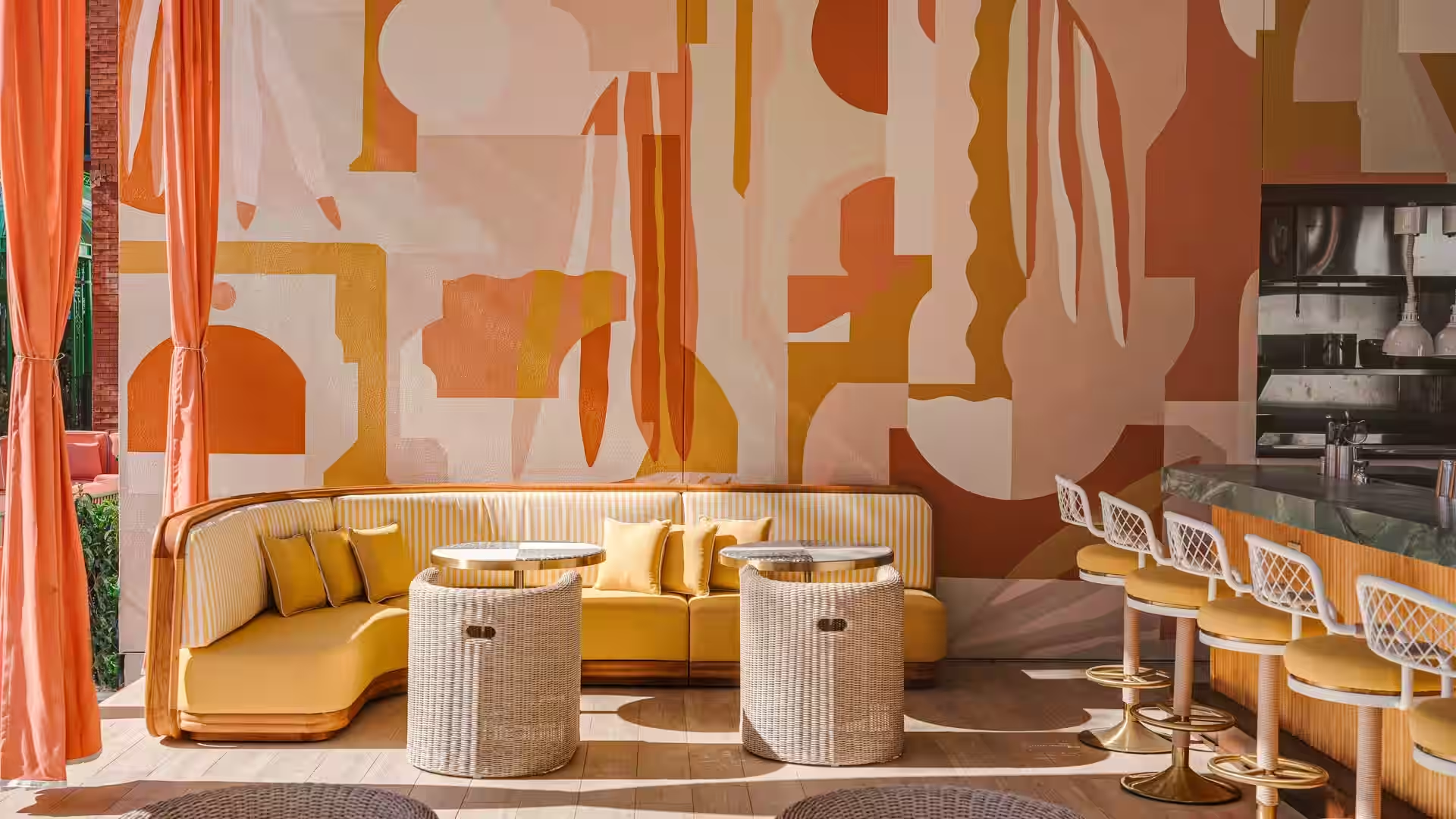
Surf & Sand Resort in Laguna Beach, part of the Stay Bardo group (and a Dash customer), is a good example of design and social media working together. After an extensive remodel, the resort has built a decent Instagram following, and its PR team says the most shareable spaces are the ones that invite guests to stop, snap and share.
A shareable moment doesn’t have to be a design feature, either. At Le Pavillon in New Orleans, the hotel’s nightly peanut butter and jelly sandwiches have become a signature moment for guests
Think about where guests already stop to take pictures, and make those spots even better: good lighting, nothing cluttering the background, and somewhere to stand. If you don’t have an obvious spot yet, create one.
2. Make your hashtag and handle easy to find
Guests can’t tag you if they don’t know your handle.
When DoubleTree by Hilton Zagreb ran a guest selfie competition, it made sure nobody could miss it. Guests found post-it notes on their bathroom mirrors inviting them to tag their selfies #dtzagreb, and the competition was also advertised on screens in public areas and lifts.
Put your Instagram handle and hashtag where people will see them during their stay, such as room cards, menus, the Wi-Fi login page and your welcome email. Keep the hashtag short and specific to your hotel, so it isn’t full of other people’s content.
3. Ask at the right moment
The best time to ask is when guests are having a great time. That might be when a member of staff brings out a birthday cake, at the end of a memorable dinner, or with a note at turndown on the last night.
4. Follow up after check-out
Plenty of guests go back through their camera roll on the way home. A post-stay email that thanks them for staying and asks for their favourite photos catches them at the right time. Include a simple upload link, so they can send their photos straight to you without having to email large files.
💡Tip: You can use the guest upload feature in Dash for guests to send content to.
6. Run a photo competition
A simple competition gives guests a reason to share. For example, ask guests to post their best photo from their stay with your hashtag, and offer a return stay as the prize.
HOVIMA Hotels, a small group of hotels in Tenerife, ran one competition across all its properties. Entrants had to mention the group’s account and the hotel where they’d like to win a stay, and use the hashtag #HOVIMAMoments. The prize was a four-night stay at the hotel of the winner’s choice, which encouraged guests to explore the rest of the group.
Make the rules clear, including how you’ll use the winning photos, so you have permission from the start.
7. Show guests their content in action
When guests see you reposting other guests’ photos, with credit, they’re more likely to share their own. Feature guest content regularly on your social channels, and thank people when they tag you.
8. Encourage photo reviews
Reviews with photos are useful to future guests, and to you.
TripAdvisor’s own guidance makes the case for more photos on your listing. Its head of industry relations has said travellers are 150% more engaged on listings with 20 or more photos than on those with only a few. Just be careful how you ask. TripAdvisor doesn’t allow you to offer guests incentives for positive reviews, but it’s perfectly acceptable to simply ask them to write one. This guide is a great starting point.
9. Get your staff involved
Your team sees great moments every day. Encourage them to capture content when it feels natural, like a quiet pool first thing or the chef plating up. If you run more than one property, ask each hotel to pick someone to send in the best guest and staff content each month, so nothing gets lost locally.
Get permission before you use UGC
A guest tagging your hotel doesn’t give you permission to use their photo on your website or in an ad. Before you use any guest content beyond a simple, credited repost, ask first.
There are a few simple ways to do this:
- Ask in the comments or by DM: reply to the post, explain where you’d like to use it, and ask the guest to confirm.
- Include consent in your upload form: when guests send you photos through an upload link, include a short note explaining how you might use them.
- Put it in writing for weddings, events and creators: agree usage in your contracts before the day or stay, not afterwards.
Whichever way you ask, keep a record of who gave permission, what they agreed to and when. That way, anyone on your team can check before using an image. It’s worth asking your legal adviser to check your wording too, especially if you plan to use guest content in paid ads.
How to collect and manage UGC with Dash
Getting guests to share is only half the job. You also need somewhere to keep it all, so the best content doesn’t end up lost in an inbox or on someone’s phone. That’s where Dash comes in.
Dash is a digital asset management (DAM) tool that gives your hotel one home for all of its visual content, from professional shoots to guest photos. Here’s how it helps with UGC:
- Collect it in one place: send guests, couples, creators and staff a guest upload link. They don’t need an account, and their photos and videos go straight into your library. You can add the link to your post-stay emails, or turn it into a QR code for room cards and the reception desk.
- Approve before it’s used: every upload waits for your approval, so you can choose what makes it into your library.
- Find it in seconds: Dash auto-tags every image, and AI search finds content by what’s in it. Add your own fields, like property, space or occasion, to filter your library the way your team thinks about it.
- Keep track of permissions: record who sent each image, what they agreed to and when. Add an expiry date, and anyone who tries to download the image after it will get a warning.
- Share it across your group: if you run more than one hotel, every property can send content into the same library, and you control who sees what.
Every Dash plan includes unlimited users and every feature, so your marketing, social, events and property teams can all use it.
Want to see how Dash could work for your hotel group? Book a demo with our team.

Amy Burchill is the SEO and Content Manager for Dash. She works with ecommerce experts to create articles for DTC brands wanting to improve their campaigns.